
Why Every NZ Business Needs a Content Calendar in 2025
Learn why a content calendar is a game-changer for New Zealand businesses. Discover how it can streamline your content strategy and boost engagement in 2025.
- Digital Sphere

Introduction
In today’s fast-paced digital world, planning ahead is no longer just a good idea—it’s a necessity. This is especially true when it comes to content creation and marketing. For New Zealand businesses looking to make their mark in 2025, a content calendar is more than just a tool; it’s the backbone of an efficient, organized content strategy.
Whether you’re managing social media, blogs, newsletters, or email campaigns, having a content calendar ensures that your content is timely, relevant, and aligned with your business goals. In this blog, we’ll explore why every NZ business needs a content calendar in 2025 and how it can elevate your content game.
What is a Content Calendar?
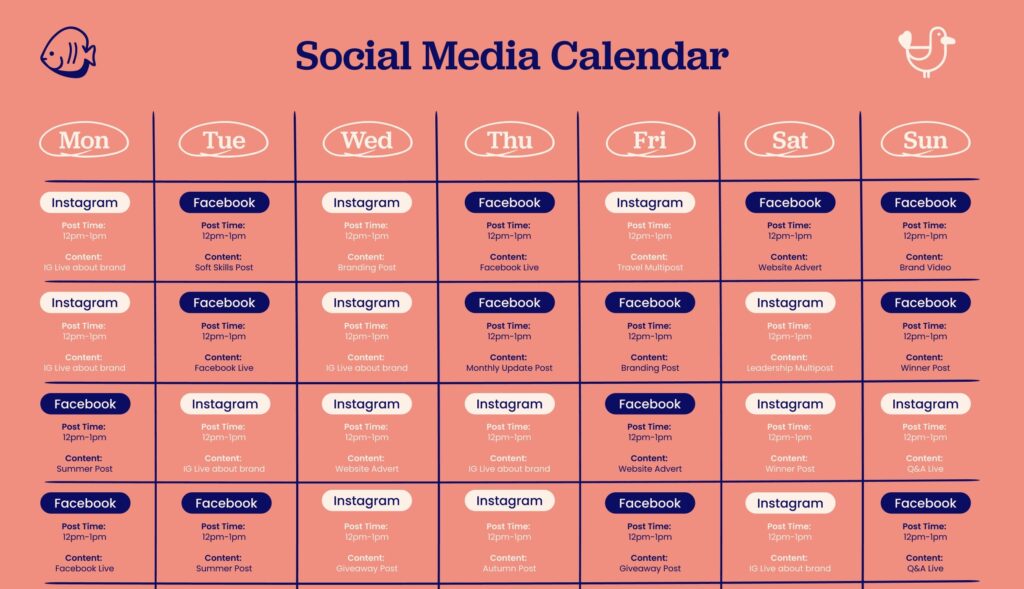
A content calendar is a tool that helps businesses plan, organize, and schedule their content across various platforms and channels. It outlines what content will be published, when it will be published, and where it will be shared. Typically, content calendars cover multiple types of content, such as:
- Social media posts
- Blog articles
- Newsletters
- Video content
- Email campaigns
- Promotions and seasonal content
By organizing all your content in one place, a content calendar makes it easier to plan ahead and ensure consistency across your marketing efforts.
Benefits of Using a Content Calendar for NZ Businesses
1. Improved Consistency
One of the biggest challenges businesses face is maintaining a consistent content output. A content calendar allows you to plan ahead, so you never miss important dates, events, or promotions. Consistency is key to building a loyal audience, and with a content calendar, you can ensure that your messaging stays aligned with your brand.
2. Better Time Management
Without a content calendar, creating and posting content can become a reactive process, leading to last-minute rushes. A well-planned calendar helps you stay on top of content creation, allowing for more time to focus on other crucial business operations.
3. Strategic Content Planning
A content calendar allows businesses to plan content around key dates, such as holidays, product launches, and seasonal campaigns. It gives you the ability to align content with important events, ensuring that your marketing efforts are timely and relevant.
4. Better Team Collaboration
A content calendar also streamlines teamwork. It ensures that everyone on your marketing team is on the same page about what’s being created and when it’s being published. Team members can easily see their tasks and deadlines, leading to smoother collaboration and fewer miscommunications.
5. Increased ROI
When content is planned and executed strategically, businesses can expect better results. A content calendar helps you analyze trends and performance, allowing you to optimize your content strategy over time. This results in increased engagement and ROI for your content marketing efforts.
How to Create a Content Calendar for Your NZ Business
Creating a content calendar may seem like a daunting task, but it’s easier than you think. Here’s a step-by-step guide to help you get started:
Step 1: Define Your Content Goals
What do you want your content to achieve? Are you focusing on brand awareness, lead generation, customer engagement, or driving sales? Your content goals will guide your calendar’s content strategy and the types of content you create.
Step 2: Choose Your Platforms
Identify where you’ll be publishing your content. Whether it’s on your blog, social media, email, or other channels, knowing your platforms helps you plan content accordingly. In New Zealand, platforms like Instagram, Facebook, LinkedIn, and YouTube are popular among businesses.
Step 3: Plan Content Types and Topics
Choose the types of content you will create—blog posts, social media updates, videos, podcasts, etc. Brainstorm relevant topics for each type of content and align them with your business goals.
Step 4: Set a Posting Frequency
Determine how often you will post on each platform. For example, you might want to post on Instagram daily, publish blog posts weekly, and send email newsletters bi-weekly. Establishing a posting frequency ensures consistency and helps manage your workload.
Step 5: Assign Responsibilities
If you’re working with a team, assign tasks to ensure everyone knows what to create and when it’s due. This can include content creation, editing, design, and scheduling.
Step 6: Use Tools to Stay Organized
Use content calendar tools like Google Calendar, Trello, Asana, or dedicated content calendar software to keep everything organized. These tools allow you to create detailed schedules, track deadlines, and collaborate with team members.
Conclusion
A content calendar is an essential tool for every New Zealand business looking to streamline content creation, boost engagement, and improve marketing efficiency in 2025. By planning ahead and staying organized, you can create timely, relevant content that resonates with your audience and helps you achieve your business goals.
Need help creating and managing your content calendar? Digital Sphere offers expert content creation and marketing services to help you stay on top of your digital game.
📞 Let’s talk strategy! Book a digital marketing audit at Digital Sphere